Crown Thinning in Kingston: Improve Light, Reduce Wind Load, and Keep Trees Healthy
Professional crown thinning for homes and businesses across Kingston
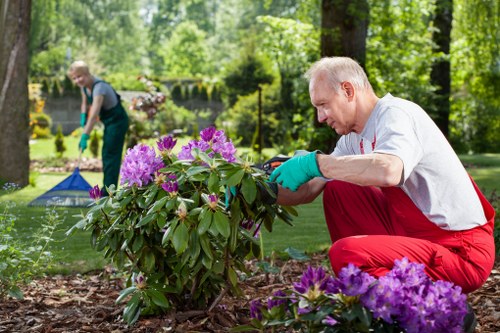
If you are looking for crown thinning in Kingston, you are likely dealing with a tree that has become dense, heavy, or difficult to manage. Perhaps it is shading out a garden, blocking daylight into a property, catching the wind more than it used to, or simply looking too crowded. Crown thinning is a careful arboricultural service designed to remove selected branches throughout the canopy while keeping the overall shape and natural character of the tree.
For Kingston property owners, this service can make a noticeable difference. From older residential streets with mature gardens to commercial plots, schools, managed estates, and riverside properties, local trees often need a measured approach that balances safety, light, and appearance. A well-executed crown thinning service helps trees perform better in their setting without turning them into stubs or forcing an unnatural shape.
Whether your tree is near a driveway, close to a neighbour’s boundary, overhanging a roof, or simply outgrowing its space, a local team can assess what is sensible and what is not. The aim is always to keep the tree healthy, stable, and visually appealing while improving conditions around it. Book a site visit or request a free quote when you are ready to discuss the best approach for your tree.
What crown thinning actually means

Crown thinning is the selective removal of small to medium branches throughout the canopy. It is not the same as reducing the height of the tree or stripping back large sections. Instead, a skilled arborist works through the crown to create a more open structure that allows more light and air to pass through.
This service is often used when a tree is healthy but too dense for its location. In Kingston, that might mean a mature tree in a suburban garden, a row of trees along a boundary, or established planting around a business premises. The tree stays recognisable and retains its natural outline, but the canopy becomes less congested and better balanced.
The key is selective work. Good thinning should be subtle. It should not look like the tree has been drastically cut back. A professional tree surgeon will choose branches carefully, keeping the work even and sympathetic to the species, season, and site conditions.
People often ask whether thinning is the same as reduction. It is not. Crown reduction lowers the overall size of the tree. Thinning focuses on internal branch removal to reduce density while preserving the outer shape. In many Kingston settings, that distinction matters because local trees are often close to buildings, gardens, and hard landscaping where light and airflow are important.
Why Kingston properties often benefit from crown thinning

Kingston has a wide mix of property types, and that variety means trees can create different challenges from one street to the next. Older homes may have mature specimens planted decades ago, while newer developments may have ornamental trees that have reached a size larger than expected. Either way, dense canopies can cause practical problems if they are not managed properly.
One of the most common reasons customers enquire about crown thinning in Kingston is light improvement. A tree with a thick canopy can make a garden feel darker, affect the use of patios, and reduce natural light into windows. Thinning can improve brightness without removing the tree’s presence altogether, which is especially useful where homeowners want to keep privacy and greenery.
Another reason is wind movement. Dense crowns can act like a sail, putting more strain on stems and branches during stronger weather. By opening the canopy in a controlled way, the tree can often move more freely in the wind, which may reduce the risk of branches failing. That does not eliminate risk entirely, but it can help the tree cope better with exposed conditions.
In practical terms, local customers also request thinning because of overhanging branches near roofs, shared boundaries, parked vehicles, pathways, and commercial access routes. In busy parts of Kingston, space is often limited, so trees need to be managed with care to avoid unnecessary disruption.
For many people, the service is also about keeping a tree looking tidy and in proportion with its surroundings. A dense crown can become visually heavy, especially on smaller plots. Thinning can restore balance while keeping the tree attractive and established.
How the service works
A professional crown thinning service usually begins with a site assessment. The arborist will look at the species, size, shape, health, structural condition, and location of the tree. They will also consider what you are trying to achieve: more light, reduced wind resistance, improved clearance, or simply a more manageable canopy.
Once the tree is assessed, the work is planned around good arboricultural practice. Selected branches are removed from around the crown, usually focusing on overcrowded, crossing, weak, or poorly placed growth. The goal is to create a more even internal spacing without leaving obvious gaps or damaging the natural outline.
The work may be carried out using climbing techniques, ropes, and modern tree care equipment, depending on the tree’s size and access conditions. In Kingston, access can be a major consideration. Narrow side access, shared driveways, rear gardens, and limited parking can all affect how the team approaches the job. A local company is usually better placed to plan around these realities efficiently.
After the pruning is complete, the site should be left tidy, with branches and debris cleared away. Many customers appreciate that the job is not just about cutting; it is about managing the entire process cleanly and safely from start to finish. Contact us today if you would like a suitable time arranged for an inspection.
Depending on the tree and the desired result, the arborist may also advise whether any additional work is needed later, such as formative pruning, deadwood removal, or a future inspection. That kind of advice is useful because it helps you think ahead rather than dealing with the same issue repeatedly.
What is included in crown thinning
Customers often want to know exactly what they are paying for. While every tree and site is different, a proper crown thinning service commonly includes the following:
- Initial assessment of tree species, size, condition, and location
- Selective removal of branches throughout the canopy
- Retaining the natural outline and character of the tree
- Improving light penetration and air movement where possible
- Reducing overcrowding, crossing growth, and awkward branch structure
- Safe working methods suited to the site and access conditions
- Removal and tidy-up of arisings from the work area
- Practical advice on future maintenance if needed
Some customers also ask for work to be combined with deadwood removal or other routine tree care. That can make sense if the crown is dense and there are also dead, damaged, or hanging branches that need attention. The best approach depends on the tree’s condition and how it is used within the property.
It is worth noting that a sensible crown thinning job should not remove too much material. Good tree care is about precision rather than volume. A balanced canopy is healthier and more attractive than one that has been overworked.
Useful tip: if you are comparing options, ask how the thinning will be carried out and what the expected result will look like. That makes it easier to judge whether the proposed work suits your tree and your goals.
Signs your tree may need thinning
Not every dense tree needs work, but there are clear signs that thinning may be worthwhile. Some are aesthetic, while others are practical or safety-related.
Common signs include branches rubbing together, a canopy that feels excessively heavy, reduced daylight in the garden or building, and branches swaying strongly in mild wind. You may also notice that rain takes longer to dry from the canopy or that the space underneath the tree feels cramped and shaded.
In built-up areas of Kingston, trees can also create issues with pathways, shared access points, and parking spaces. Overhanging growth may become inconvenient for residents, tenants, customers, or visitors. If the tree is near a public-facing area, it can also affect the look and usability of the site.
Some property owners notice that birds and debris gather more heavily in dense crowns, while others simply feel the tree has become too dominant for the plot. If the tree is healthy, crown thinning can be a good way to improve its relationship with the rest of the property without removing it entirely.
In case of uncertainty, it is worth arranging a local inspection. A trained arborist can tell you whether crown thinning is suitable or whether another method would be more effective. Sometimes a light touch is all that is needed.
Local knowledge matters in Kingston
Choosing a local team for crown thinning in Kingston brings real advantages. The area includes a mix of suburban gardens, terraced streets, flats with shared green space, riverside properties, and commercial sites. That variety means the same pruning method does not suit every location. Local experience helps ensure the work is planned properly for the site.
Access and parking can be more complicated in some parts of Kingston, especially where roads are narrow, spaces are limited, or rear garden access is restricted. A team that works locally will be more used to managing equipment, loading, and site logistics in a way that reduces disruption for you and your neighbours.
Local knowledge can also be useful when working around boundary lines, shared gardens, and mixed-use properties. Many Kingston customers want the tree work done with minimum fuss and maximum consideration for surrounding homes or businesses. A locally based arborist is more likely to understand those expectations from the outset.
Another benefit is responsiveness. If you need an inspection before a planned event, seasonal maintenance, or ahead of property works, it helps to have a nearby service that can assess the tree promptly and provide practical options. That is especially valuable for landlords, managing agents, and commercial customers who need the work planned around other responsibilities.
Why this matters: trees are not managed in isolation. They interact with the way people live, park, work, and move around the area. A knowledgeable local team can make recommendations that suit both the tree and the property.
Residential and commercial crown thinning
Crown thinning is useful for a wide range of customers. Homeowners often want more light, less leaf clutter, or a more manageable tree in a private garden. Businesses may need safer access, clearer sightlines, or a tidier appearance for customers and staff.
For residential properties, the most common situations include back gardens, front gardens, shared boundaries, and trees close to windows or patios. Families often want to keep established trees because they add privacy and character, but they also need the space to remain usable. Thinning can help strike that balance.
For commercial sites, priorities may be different. A business might need to maintain access for vehicles, keep walkways open, reduce interference with signage, or maintain a smart appearance around the premises. Trees on school grounds, managed estates, hospitality sites, and office properties may all benefit from this kind of careful intervention.
In both cases, the service should be tailored. A tree outside a shopfront is not the same as a mature oak in a private garden or a line of ornamental trees at a managed property. The right pruning method depends on the setting and the outcome you want.
Many Kingston customers value the fact that crown thinning can improve the usefulness of the space without making the tree look harshly altered. That is one reason it remains such a popular choice.
Tree species and site considerations
Different trees respond differently to thinning. Some species tolerate selective pruning very well, while others need a lighter touch. A skilled arborist will consider the species before deciding how much to remove and where to make cuts.
Tree health matters too. If a tree is already stressed, diseased, or poorly structured, thinning may still be possible, but the work needs to be done with care. The arborist will look for signs of weak unions, storm damage, dieback, decay, or poor previous pruning. In those cases, the recommendation may be adjusted to protect the tree’s long-term condition.
Site context is just as important. Trees near buildings, garden sheds, fences, play areas, roads, or overhead lines need a thoughtful plan. In some Kingston locations, there may also be considerations relating to neighbouring properties or shared access. Good communication and careful planning make a big difference here.
H4: Common factors that influence the work
- Tree species and age
- Canopy density and shape
- General health and structural condition
- Proximity to buildings and boundaries
- Access for climbing or equipment
- Seasonal timing and surrounding use of the site
Because there are so many variables, there is no one-size-fits-all answer. That is why an on-site assessment is the best way to work out what will suit your tree and your property.
What crown thinning can help achieve
There are several practical benefits to crown thinning when it is carried out properly. Some are immediate, while others are felt over time as the tree responds to the pruning and the property becomes easier to use.
Key benefits may include:
- Improved natural light reaching the garden or interior spaces
- Better airflow through the canopy
- Reduced wind resistance in exposed conditions
- Less crowding and rubbing between branches
- A tidier, more balanced appearance
- Greater comfort in outdoor living spaces
- More manageable growth around buildings and boundaries
For many Kingston residents, the biggest improvement is simply how much more usable the surrounding space feels afterwards. A garden that once felt dark or enclosed can become noticeably brighter and more welcoming. That can make a real difference if you spend time outdoors or use your garden for family life, entertaining, or relaxing after work.
It is a practical service with a visible result. At the same time, it should remain sensitive to the tree itself. A responsible approach keeps the tree in place while helping it function better in its setting.
Preparation checklist before the visit
Good preparation helps the work go smoothly, especially where access is tight or there are obstacles around the tree. Before your appointment, it can help to think through the following:
- Clear parked vehicles from the immediate work area if possible.
- Move garden furniture, pots, or ornaments away from the tree.
- Make sure access gates, side passages, or shared entrances can be used.
- Let the team know about any pets, children, or vulnerable areas on site.
- Point out any low structures, cables, sheds, or boundaries you are concerned about.
- Discuss what you want the tree to achieve after the work is complete.
If the site has limited access, do not worry. That is common in Kingston and many local teams are used to working around compact gardens, terraced properties, and rear access routes. What matters most is sharing the practical details early so the right equipment and approach can be planned.
Customers sometimes ask whether branches will be taken away. In normal circumstances, the work area should be cleared as part of the service, but it is always sensible to confirm what is included before the job starts. A clear conversation helps avoid confusion and keeps expectations realistic.
Pricing factors and what affects the quote

Every tree is different, so crown thinning quotes are usually based on several practical factors rather than a fixed price. That is normal and usually fair, because the amount of time, access, equipment, and skill needed can vary a lot from one site to another.
Typical pricing factors include the tree’s size, height, density, and condition, along with how easy it is to reach safely. A tree in an open area may be simpler to work on than one surrounded by fences, sheds, parked cars, or outbuildings. The need for specialist access equipment or additional labour can also affect the quote.
Location matters too. In Kingston, access restrictions, permit considerations for parking or loading, and the time needed to work carefully around neighbouring properties can all influence the overall cost. That is another reason a local inspection is so useful: it allows the quote to reflect the real site conditions rather than a guess.
It is sensible to compare quotes on a like-for-like basis. Look at what is included, how the work will be done, and whether the team has taken time to understand your tree and site. The cheapest option is not always the most suitable if it does not protect the tree or handle the work safely.
Request a free quote if you want a straightforward assessment based on your actual tree rather than a rough estimate from limited information.
Why choose a local company for crown thinning in Kingston
Choosing a local tree care company often means better communication, more practical scheduling, and a more informed approach to the area’s common property layouts. Kingston has many homes and commercial sites where trees sit close to buildings, shared spaces, or access routes, so experience on similar sites is valuable.
A local team is also more likely to understand how to minimise disruption. That may involve planning around school runs, business opening hours, parking limitations, neighbour access, or the simple reality of compact gardens. When the team knows the area well, they can often work more efficiently and with fewer surprises.
Another reason to choose local is continuity. If you need future pruning, seasonal maintenance, or an inspection later on, it helps to work with a company that already knows your tree and your site. That can make future visits smoother and more consistent.
For many Kingston customers, trust comes from professionalism, clear explanations, and practical advice. You should expect the arborist to explain what they recommend, why they recommend it, and what result it should achieve. Book your service now if you are ready to move forward with a tree that is better balanced and easier to live or work around.
Areas covered around Kingston
Local crown thinning services are often requested across Kingston and nearby parts of southwest London. The exact area covered will depend on the provider, but a Kingston-based team commonly works across surrounding neighbourhoods and nearby residential and commercial districts.
Typical areas may include:
- Kingston town centre
- Canbury
- Surbiton
- Norbiton
- New Malden
- Coombe
- Ham
- Berrylands
- Roehampton and adjacent local routes where applicable
Because the area includes a mix of dense residential streets, larger family homes, and business premises, a flexible local service is useful. Some customers need routine tree care, while others need more immediate action after stormy weather or before property improvements. In all cases, the service should be adapted to the site rather than forced into a rigid format.
If you are unsure whether your property falls within the service area, it is usually best to enquire directly. A local company can confirm availability and advise on the best next step for your tree work.
FAQs about crown thinning
Will crown thinning make my tree look bare?
Not when it is done correctly. The aim is selective removal, not over-cutting. A well-thinned crown should still look natural, just less congested and more open.
Is crown thinning safe for all trees?
Most healthy trees can be thinned to some degree, but the approach depends on the species, age, and condition of the tree. A site assessment is the best way to confirm what is suitable.
Will it really improve light?
Yes, in many cases it does. The amount of improvement depends on how dense the canopy is and how the tree is positioned relative to the property.
How often should thinning be done?
That varies depending on growth rate, species, and location. Some trees may only need occasional work, while others in busier or tighter spaces may benefit from more regular maintenance.
Can crown thinning help with storm concerns?
It can help reduce wind resistance by making the canopy less dense, though it is not a complete solution for all storm-related risks. An arborist can advise on the best approach if you are worried about weather exposure.
Do I need permission before the work?
That depends on tree protection status, location, and local requirements. If you are unsure, ask during the assessment so the situation can be checked before work is booked.
Will the team clear up afterwards?
A professional service should leave the site tidy and remove the cut material unless agreed otherwise. Always confirm what is included in advance.
Arrange a crown thinning service in Kingston
If your tree is too dense, too heavy, or simply not working well for your property, crown thinning could be the right solution. It is a practical way to improve light, reduce crowding, and help a tree sit more comfortably within its surroundings while keeping its natural shape.
For Kingston homeowners, landlords, businesses, and managing agents, it offers a useful balance between tree care and everyday property use. The key is to choose a team that understands local access issues, works safely, and gives straightforward advice based on the tree in front of them.
Contact us today to discuss your tree, ask about availability, or request a free quote. If you are ready to improve the look and feel of your outdoor space, book your service now and take the next step toward healthier, better-managed trees.
Professional crown thinning in Kingston should make life easier around your property while respecting the tree’s long-term wellbeing. That is exactly what a well-planned, local service is here to deliver.
Final note for local customers
If you are comparing tree services, focus on experience, clarity, and the quality of the plan for your tree rather than promises that sound too broad to be useful. A proper assessment, clear explanation, and careful pruning approach are the signs of a team that understands both the tree and the Kingston setting.