Tree inspections in Kingston for safer, healthier, better-managed trees
If you own or manage trees in Kingston, regular inspections are one of the most practical ways to protect people, property, and the long-term health of the trees themselves. From mature street trees and garden specimens to boundary trees, communal greens, and commercial site planting, a professional inspection helps you understand what is happening above ground and below it, and what action—if any—should be taken next.
Tree inspections in Kingston are especially valuable because local properties vary so widely. One street may have compact terraced homes with limited rear access, while another has larger family gardens, shared driveways, and established trees close to roofs, fences, and neighbouring boundaries. Commercial sites, schools, care homes, landlords, and managing agents also face different responsibilities depending on the age, size, and condition of the trees on site. A clear inspection gives you practical answers, not guesswork.
Whether you are concerned about a leaning trunk, cracked limbs after a storm, fungal growth, or simply want a sensible check before pruning or building work, a local arboricultural inspection can help you make informed decisions. Book a tree inspection in Kingston when you want a professional view of tree condition, risk, and maintenance needs from someone who understands the local environment, access issues, and the pressures that trees face in built-up residential areas.
Why tree inspections matter for Kingston property owners
Healthy trees add shade, character, privacy, and biodiversity, but they also need periodic assessment. A tree can look fine from the outside while showing signs of stress, disease, root movement, or structural weakness that are not obvious to an untrained eye. Regular inspections help identify those issues early, before they become more costly or disruptive.
In Kingston, this matters for a few practical reasons. There are busy roads, narrow access routes, mature gardens, riverside conditions in some locations, and a mix of older and newer buildings with different levels of sensitivity to root activity or branch overhang. Trees near homes, parking areas, footpaths, play spaces, and communal entrances often need closer attention because the consequences of failure can be significant.
Tree risk is not only about storms. It can also involve gradual decay, deadwood, included bark, weak unions, poor previous pruning, soil compaction, drought stress, pests, and root disturbance caused by nearby works. A well-timed inspection can reveal whether a tree needs monitoring, pruning, support, further testing, or removal in severe cases.
What a tree inspection can reveal

A tree inspection is more than a quick look at leaves and branches. A trained arborist will assess the tree as a living structure, paying attention to signs that indicate current health, future growth, and possible hazards. The aim is to provide a balanced view: what is genuinely concerning, what is routine, and what can be safely monitored over time.
Typical areas reviewed during tree inspections in Kingston include the trunk, scaffold limbs, branch unions, bark condition, crown density, canopy shape, visible decay, fungal fruiting bodies, root flare, soil conditions, and the surroundings that may affect tree stability. The inspection may also consider evidence of previous damage, lifting paving, heaving soil, or repeated shading and suppression from adjacent trees.
Depending on the tree and location, an inspector may also note signs of wildlife use, deadwood retention, or features that affect management choices. In many cases, a tree does not need drastic intervention; it may simply need selective pruning, monitoring after adverse weather, or improved growing conditions.
Common concerns that prompt an inspection
People usually arrange an inspection after noticing something unusual, although many choose a proactive check before issues appear. Common triggers include:
- A tree leaning more than before, or appearing to have shifted after heavy rain or wind
- Large dead branches, broken limbs, or hanging material in the canopy
- Visible fungus, cavities, cracks, or split unions on the trunk or major limbs
- Root upheaval, disturbed soil, or raised paving near the base
- Leaves turning early, sparse growth, or dieback in part of the crown
- Concerns about trees close to buildings, garages, boundaries, or parking spaces
- Planning a renovation, extension, driveway work, or landscaping close to trees
How tree inspections in Kingston are carried out

A proper inspection starts with listening. The arborist will ask what you have noticed, when the issue began, and whether there has been recent weather damage, excavation, construction, or pruning. That context matters because trees often respond to changes in their environment over time rather than all at once.
The visual assessment then looks at the tree from the ground. This is often enough to identify many concerns, particularly where access is limited or where a visible external issue is already apparent. The inspector may use binoculars, measurements, and close observation to assess crown structure, branch condition, trunk form, and signs of instability. If required, further investigation may be recommended, depending on what is found.
Not every tree needs advanced testing. In many cases, the outcome is a simple, sensible recommendation: remove a dead limb, reduce weight on a heavy branch, monitor a symptom through the seasons, or improve the area around the tree to reduce stress. The point is to match the level of action to the real level of risk.
What a report may include
Many customers ask what they will get after an inspection. While the format can vary, a useful inspection result will usually explain:
- The tree species and approximate size or age class
- Its overall condition and structural form
- Any visible defects, weaknesses, or symptoms of concern
- The likely significance of those issues in practical terms
- Recommended next steps, from no action to maintenance or further testing
- A priority level so you can decide what needs attention first
Good advice should be clear and proportionate. If the tree is sound, you should be told that. If there are issues, you should understand why they matter and what can be done about them without unnecessary work.
Local reasons Kingston customers request tree inspections

Kingston is a place where trees and properties often sit very close together. That makes inspections a common sense decision for homeowners, landlords, schools, housing associations, commercial operators, and anyone responsible for trees on shared land. Different neighbourhoods have different concerns, but the pattern is familiar: mature planting in constrained spaces, periodic storm exposure, and busy areas where falling material or root spread can affect daily use.
Residential customers may want peace of mind before opening a patio area, installing fencing, reworking a garden, or addressing a tree that has started casting heavy shade over a house or neighbouring plot. Commercial customers often need inspections for duty-of-care reasons, especially where trees border car parks, access roads, public walkways, entrances, or outdoor seating. Managing agents may also need a reliable view when residents raise concerns about overhanging branches or visible decline.
Local knowledge matters because access in Kingston can be challenging. Tight side passages, shared rear access, restricted parking, busy roads, and protected garden layouts all affect how an inspection is planned and carried out. A local arborist who regularly works in the area understands those practical limitations and can organise the visit accordingly.
Examples of property types that often need inspections
Tree inspections are commonly requested for:
- Detached homes with large mature garden trees
- Terraced and semi-detached homes with boundary trees
- Communal gardens and shared access land
- Schools, nurseries, and education sites
- Retail, office, and hospitality premises
- Car parks and landscaped commercial estates
- Rental properties where tenant concerns need a professional response
For many clients, the biggest benefit is certainty. Instead of making assumptions based on appearance alone, they can decide whether the tree needs work now, later, or not at all.
What is included in a professional tree inspection
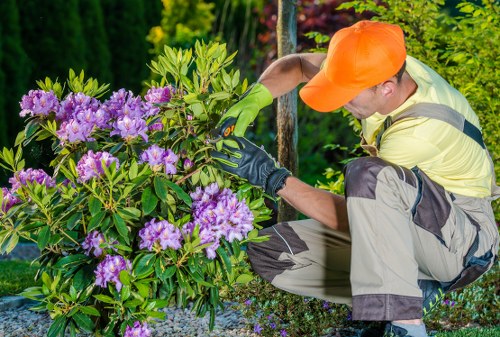
A thorough inspection should be practical, not theatrical. The purpose is to give you usable information so you can manage your trees responsibly and plan any follow-up work with confidence. While every site is different, a professional service usually includes an on-site assessment and a clear explanation of findings in plain language.
Depending on the tree and the reason for the visit, the inspection may cover visual diagnosis, site conditions, signs of decay or instability, and advice on whether any arboricultural work is needed. If you are dealing with a group of trees, the inspector may prioritise the most significant ones first and identify which trees require urgent attention and which can be monitored.
Where relevant, the inspection can also support decisions about pruning cycles, deadwood management, or whether a tree should be retained and monitored rather than removed. That balance is important because healthy mature trees are valuable assets, and unnecessary work can sometimes cause more harm than benefit.
Typical service inclusions
- Visual assessment of the tree from ground level
- Identification of obvious defects or symptoms
- Consideration of the tree’s position relative to buildings and people
- Practical recommendations for any required action
- Advice on ongoing monitoring where appropriate
- Support for planning maintenance in stages when needed
If you are unsure whether the issue is urgent, a local inspection is often the quickest way to decide. It can prevent overreaction, but it can also help you act promptly when a tree really does need attention.
Tree inspections and safety: when to act quickly
Signs that should not be ignored
Some tree issues can wait for routine attention. Others need a faster response. If you notice a sudden change after wind, heavy rain, or construction work, it is sensible to arrange an inspection promptly. The same is true if a tree is near a place where people regularly pass, park, or sit.
Situations that often justify a quicker visit include a severe lean, soil lifting on one side of the tree, major limb failure, fresh cracks, or repeated branch drop. Trees can also become more fragile when roots are damaged or when the surrounding ground changes due to excavation, compaction, or drainage issues. These are common concerns on developed sites in Kingston, where space is at a premium and root systems are sometimes constrained by paving or structures.
Safety does not mean removing every tree that has a defect. Often the right answer is targeted pruning, reducing loading on vulnerable limbs, or establishing a monitoring schedule. A proper inspection helps separate manageable concerns from serious hazards.
Extra caution after severe weather
After a storm, tree failures are not always obvious from the ground. A limb might still be attached but partially split, or a root plate may have shifted only slightly. In these situations, it is better to have an arborist assess the tree than to assume it is stable. This is particularly relevant for larger trees near houses, footpaths, play areas, and shared driveways.
Preparing for a tree inspection
There is not much you need to do before an inspection, but a little preparation can make the visit smoother and quicker. If the tree is in a rear garden with difficult access, it helps to confirm how the arborist can reach it. If there are multiple trees, make a short note of which ones are causing concern and what changes you have noticed.
Try to provide any background information you have, such as whether the tree was pruned in recent years, whether construction work has taken place nearby, or whether the issue began after bad weather. If you have noticed seasonal changes, mention those too. A tree that drops leaves early every year may not be in immediate danger, but it still deserves a sensible assessment.
You do not need to prune, tidy, or “hide” the issue before the visit. In fact, the natural condition of the tree and surrounding ground is often the most useful thing for an inspector to see. If the area has pets, locked gates, or sensitive access arrangements, mention those in advance so the visit can be planned safely.
Simple preparation checklist
- Make a note of the tree or trees you want assessed
- List visible symptoms, such as cracks, deadwood, or leaning
- Check how access to the site or garden works
- Remove temporary obstacles from paths if possible
- Share any recent weather, construction, or pruning history
- Let the team know about parking or access restrictions
This sort of preparation makes it easier to get a useful result on the day and can reduce the chance of needing a return visit.
Understanding pricing factors for tree inspections in Kingston
Customers often want to know what affects the cost of an inspection, and that is a fair question. While exact prices are not fixed because every site is different, several practical factors influence how a job is assessed and quoted. The size, number, and location of the trees are usually the most significant considerations, along with how easy it is to access them.
A single front-garden tree with clear visibility is usually simpler to inspect than a group of mature trees spread across a large commercial site or hidden behind restricted access. Likewise, a straightforward visual assessment is different from a more involved inspection that requires additional time, documentation, or follow-up recommendations. Trees near sensitive targets—such as buildings, roads, or public areas—may also need a more detailed look.
When asking for a quote, it helps to explain the site layout, the number of trees, any urgent symptoms, and whether the inspection is for a private home, a rental property, a business premises, or shared land. The more relevant information you share, the easier it is to provide an accurate and fair proposal.
Common factors that affect the scope of work
- Number of trees to be inspected
- Tree size, age, and complexity
- Access limitations, parking, or rear-garden entry issues
- Whether the inspection is routine or urgent
- Need for written notes, recommendations, or site-wide review
- Presence of visible defects or storm damage
Request a free quote if you want to understand the likely scope before committing to work. A local team can usually advise on the most suitable level of inspection for your situation.
Why choose a local Kingston tree inspection service
Using a local arborist has real advantages. A team that works regularly in Kingston is more likely to understand the layout of residential streets, common access limitations, and the mix of property types across the area. That means the inspection can be planned with fewer surprises and carried out in a way that respects both the tree and the site.
Local experience also matters because tree conditions can vary by setting. Trees close to riverside areas, roads, or heavily used paving may experience different stress factors from those in larger private gardens. A local service will be familiar with common issues such as compacted soil, repeated pruning cycles, root constraints, and canopy conflicts with neighbouring properties.
For homeowners, landlords, and business owners alike, the benefit is straightforward: you get a practical answer from someone who understands the local context. That is especially useful when you need to decide between doing nothing, monitoring, pruning, or arranging further tree work.
What customers appreciate about a local service
- Better understanding of Kingston property layouts and access challenges
- Practical advice tailored to domestic and commercial sites
- Efficient scheduling around local conditions and traffic
- Clear recommendations for next steps
- Knowledge of how to manage trees in constrained urban spaces
If you want a service that feels personal, practical, and informed by local experience, a Kingston-based inspection is a sensible choice.
Areas covered around Kingston
Tree inspections are often requested across Kingston and the surrounding neighbourhoods, including nearby residential streets, business locations, and mixed-use properties. Local teams commonly work in and around Kingston upon Thames, Surbiton, New Malden, Norbiton, Coombe, Berrylands, and adjacent parts of southwest London. In practice, the exact service area can depend on the type of work and access requirements, but the aim is always the same: a reliable inspection from a local arborist who can respond to the site properly.
We also help customers whose trees are close to shared boundaries, community spaces, schools, care settings, or privately managed estates. If you are unsure whether your location is covered, it is usually worth asking when you request a quote. Many tree inspections are straightforward to arrange once the property type and access details are clear.
For customers managing several sites, it can be useful to arrange a rolling inspection schedule across the year. That way, trees can be checked before and after the growing season, after major weather events, or in advance of construction and maintenance work.
Common local scenarios
- Rear-garden trees overhanging neighbouring properties
- Front boundary trees affecting paths or driveways
- Commercial landscaping near access routes and parking bays
- School grounds where large trees need regular review
- Housing management sites with shared tree responsibility
FAQs about tree inspections in Kingston
How often should trees be inspected?
It depends on the tree’s age, size, condition, and location. A mature tree near a building, public path, or parking area may need more regular attention than a young tree in open ground. Some customers book inspections annually, while others do so after storms or when something changes. A local arborist can suggest a sensible interval based on the actual site conditions.
Do I need an inspection if the tree looks healthy?
Yes, if the tree is in a sensitive position or has not been assessed for a long time. Many trees appear healthy but still develop hidden weaknesses, especially where there has been previous pruning, root disturbance, or storm exposure. A routine inspection is a practical way to confirm that the tree is performing well.
Can you inspect trees before I do building work?
Absolutely. Many Kingston customers arrange inspections before extensions, driveways, garden redesigns, or excavations. This helps identify any tree-related constraints early and can prevent avoidable damage to roots or canopy structure during works.
Will every tree need work after inspection?
No. In many cases the result is reassurance rather than action. If a tree is stable and in good condition, the recommendation may simply be to leave it alone or monitor it. Not every defect means immediate intervention, and sometimes the best decision is a light-touch one.
What if I am worried about a neighbour’s tree?
If a neighbouring tree seems unstable, overgrown, or potentially dangerous, an inspection can still be useful for understanding the level of concern. The advice will focus on the tree’s condition and the risks it may pose, which can help you decide how to approach the matter responsibly.
Can you inspect multiple trees at once?
Yes. This is common on larger domestic plots, shared developments, and commercial sites. Inspecting several trees in one visit can be efficient and helps build a clearer picture of overall site condition.
When to book tree inspections in Kingston
The best time to book is as soon as you notice a concern, or before a planned project that could affect nearby trees. If you are buying a property, managing a portfolio, or taking over responsibility for a site, an early inspection is also sensible because it gives you a baseline understanding of what is already there.
Many customers prefer to book during calmer weather so that routine checks can be completed without interruption, but post-storm inspections are equally important when damage may have occurred. Trees can change gradually or suddenly, and either situation deserves informed attention.
Contact us today to request a free quote or arrange tree inspections in Kingston at a time that suits your property and access needs. Whether it is one tree or several, a prompt inspection can help you take the next step with confidence.
Why customers book now rather than wait
- To reduce the risk of unexpected branch or root failure
- To get clarity before arranging pruning or removal work
- To document a tree’s condition before construction starts
- To respond properly to tenant, neighbour, or site-user concerns
- To protect buildings, paths, and vehicles from avoidable damage
When you are ready, book your service now and arrange a local inspection that puts practical advice first. A good tree inspection should leave you better informed, less worried, and clearer about what happens next.
Final thought
Tree inspections in Kingston are not just about identifying problems. They are about making sensible decisions, protecting property, and helping well-loved trees stay safe and healthy for as long as possible. If you need straightforward advice from a local team that understands Kingston’s homes, businesses, and access challenges, a professional inspection is a smart place to start.