Tree removal in Kingston: safe, reliable help for homes and businesses
When tree removal becomes the right choice

Tree removal in Kingston is not usually the first option people hope to take, but there are times when it becomes the safest and most practical decision. A tree may be diseased, leaning after a storm, growing too close to a house, or causing repeated issues with roots, shade, or falling branches. In a busy local area like Kingston, where residential streets, school grounds, retail sites, and older properties can all sit close together, a tree that is becoming unstable can quickly turn from a landscape feature into a real concern.
For many property owners, the need for tree removal starts with a small warning sign: cracked limbs, fungus at the base, dead sections in the crown, or branches touching roofs and power lines. Others only realise there is a problem after severe weather, when a tree has shifted, split, or dropped large debris across a driveway or access road. Whatever the reason, having the work handled by a local team means the job can be assessed properly, planned with care, and completed with attention to the conditions around the property.
Local knowledge matters in Kingston. Streets can be narrow, parking may be limited, and access can be awkward around terraces, apartments, older homes, and commercial yards. That is why professional tree removal is about more than cutting down timber. It involves careful site planning, safe dismantling, appropriate equipment, and a tidy finish so the space is left usable. If you need help deciding whether a tree should be removed, contact us today to discuss the situation and request a free quote.
Signs a tree may need to be removed

Not every unhealthy tree has to come down, but there are clear warning signs that should never be ignored. A tree can sometimes be saved with pruning, bracing, or treatment, yet in other cases removal is the safest route. Common signs include major trunk splits, hollow sections, extensive dieback, repeated limb failure, or root damage caused by excavation, paving, or nearby construction. If the tree is close to a building, fence, roadway, or footpath, the risk increases and a prompt assessment becomes especially important.
Storm damage is one of the most common reasons people arrange tree removal in Kingston. Strong winds can loosen roots, twist the canopy, and expose weaknesses that were not obvious before. In the aftermath of bad weather, a tree may look upright but still be unsafe because the root plate has shifted underground or the internal structure has failed. A trained arborist can inspect the tree and advise whether selective cutting is enough or whether full removal is the better option.
There are also practical reasons for removal. Some trees grow too large for the site, block natural light, interfere with gutters, lift paving, or create constant leaf drop in courtyards, yards, and shared parking areas. On commercial sites, overgrown trees can affect visibility, access for deliveries, or the appearance of entrances and car parks. In these situations, tree removal is often part of keeping the property functional and well maintained.
Our approach to safe tree removal

Every site is different, and the way a tree is removed depends on its size, condition, surroundings, and access. A small tree in an open yard may be able to come down in sections with minimal disruption, while a large tree near a house, fence, or neighboring building may need to be dismantled piece by piece. A good local service starts with a proper inspection, then chooses the safest method for the site rather than using a one-size-fits-all approach.
Safety is central to the process. Tree removal can involve climbing, rigging, lowering heavy branches, controlling trunk sections, and managing debris around fragile structures and garden features. Professional tree removal reduces the chance of damage to roofs, sheds, driveways, windows, vehicles, and adjacent trees. It also helps protect people on site, including family members, tenants, staff, customers, or passers-by.
Cleanup is another part of the service that matters to local customers. Once the tree is down, there can be a significant amount of timber, branch material, and sawdust to deal with. Many property owners want the site left neat and usable, whether that means clearing a backyard in Kingston, making space for replanting, or restoring access in a commercial setting. A well-run service will include removal of debris and sensible handling of waste, so you do not end up with another job on your hands.
What is included in a tree removal service
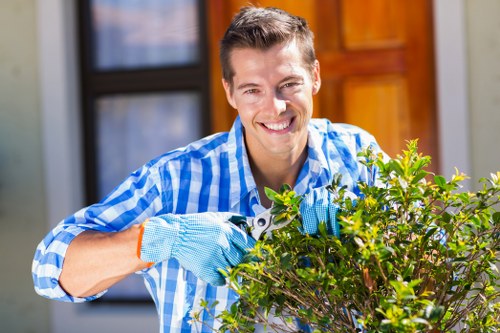
People often ask what they should expect when arranging tree removal in Kingston. While every job is different, a typical service is designed to cover the main stages from assessment to cleanup. That usually begins with reviewing the tree, the surrounding obstacles, and access to the site. From there, the work is planned to suit the conditions and the level of risk involved. If needed, branches are lowered in controlled sections to avoid damage to nearby structures or garden features.
The scope of work may include the following:
- Initial site assessment and discussion of the tree condition
- Planning for access, equipment, and safe work methods
- Sectional dismantling of the tree where required
- Removal of branches, trunk sections, and other debris
- Basic cleanup of the work area once the tree is down
- Advice about stump removal, replanting, or follow-up maintenance
Stump removal may be offered separately, depending on what you want to do with the space afterwards. Some customers want the stump fully removed so the area can be landscaped, paved, or replanted. Others may be happy to leave the stump in place for a period of time. A local team can explain the options clearly so you can choose the approach that suits the property and your budget.
Why Kingston property owners choose a local tree removal team

There are real advantages to working with a local company for tree removal. Kingston has a mix of property styles and site conditions, from suburban homes with established gardens to tighter urban blocks, apartment developments, heritage-style properties, and active commercial spaces. A local crew understands how to work around these conditions, and that can make a major difference in both efficiency and safety. Access in some streets can be limited, so knowing how to position equipment, manage parking, and work without causing unnecessary disruption is valuable.
Local service is also useful when timing matters. If a tree has suffered storm damage or is threatening a structure, you want a team that can respond quickly and assess the issue without delay. In many cases, the situation involves more than just the tree itself. There may be fencing, overhead hazards, neighbours nearby, or a need to coordinate with property managers, tenants, or business operators. A local provider is more likely to understand these pressures and adapt the job accordingly.
Another reason people prefer a Kingston-based team is straightforward communication. It is easier to arrange a site visit, explain concerns clearly, and ask practical questions about the process, safety measures, and cleanup. When you need tree removal, you want the job handled by people who know the area, respect the property, and can work efficiently without creating added stress.
Residential tree removal for Kingston homes
Homeowners in Kingston often need tree removal for a mix of safety and lifestyle reasons. A tree may be shading a garden too heavily, dropping sap onto cars, growing into the roofline, or spreading roots under paving and retaining walls. In smaller backyards, even one large tree can dominate the entire outdoor space and limit how the property can be used. Removing the right tree can improve light, reduce maintenance, and make the area safer for children, pets, and visitors.
Homes in the area can present access challenges, especially where side access is narrow or where the tree sits between fences and structures. In these cases, the tree may need to be dismantled in stages rather than felled in one piece. That requires experience and the right equipment. It also requires care around gardens, water tanks, sheds, patios, and decorative features that residents want preserved.
Many homeowners also look at tree removal as part of a broader outdoor improvement plan. Once a problem tree is removed, the space may be better suited to new planting, lawn restoration, paving, or a more practical layout for family life. If you are considering changes to your property, booking a professional assessment is a sensible first step. Request a free quote and find out what approach suits your home.
Commercial and strata tree removal
Businesses, body corporates, schools, aged care facilities, and property managers in Kingston have different needs from homeowners, but the core goal is the same: keep the site safe and functional. A tree that is dropping branches in a car park, blocking signage, interfering with lighting, or obstructing vehicle access can affect daily operations. In a commercial environment, tree removal often needs to be scheduled with extra care so staff, customers, deliveries, and residents experience as little disruption as possible.
Strata and commercial properties may also need a more coordinated approach because there are multiple people involved in approving or monitoring the work. A local team can help make the process simpler by explaining what will happen on site, identifying access requirements, and working around shared spaces. For larger properties, the work may be staged to manage safety and maintain access where possible.
Well-executed tree removal also helps protect the look of a commercial site. Overgrown or declining trees can make an otherwise tidy property appear neglected. Removing a hazardous or unsuitable tree can improve presentation, make maintenance easier, and support the long-term use of the property. For business owners and managers, that practical benefit can be just as important as the safety aspect.
How the service works from start to finish
Understanding the process can make it easier to decide whether tree removal is the right step. Most jobs begin with a site inspection so the tree and surroundings can be assessed properly. The team will look at tree health, lean, root stability, nearby structures, overhead hazards, and access for equipment. They may also consider whether a partial solution would work, such as pruning or reducing the tree instead of removing it entirely.
Once the work plan is clear, the removal itself is carried out using the safest practical method. On some sites, the tree can be dismantled from the top down, with branches and trunk sections lowered in a controlled way. On others, equipment may be used to help manage larger sections or to speed up removal where space allows. The main aim is to remove the tree without causing avoidable damage or disruption.
After the tree is removed, the team will clear the site and discuss any next steps. That may include stump grinding, mulching, replanting, or simply leaving the space clean and open. If the tree had been causing structural or safety concerns, the final stage often gives property owners peace of mind because the hazard has been addressed properly. If you want the job handled efficiently from beginning to end, book your service now.
Preparation checklist before tree removal
Good preparation helps the job go smoothly and can reduce the chance of delays. While the service provider will handle the technical work, property owners can take a few simple steps in advance. These are especially useful where access is tight or the site is busy. If you live in a townhouse, manage a rental property, or run a business, a little preparation can make a noticeable difference.
Before the crew arrives, consider the following checklist:
- Move vehicles away from the work zone if possible
- Keep children and pets clear of the area
- Unlock access gates or confirm how entry will work
- Remove delicate items from nearby outdoor spaces
- Let neighbours know if branches or equipment may affect shared access
- Point out underground services, irrigation lines, or other known hazards
- Discuss any concerns about noise, timing, or access restrictions ahead of time
Preparation does not need to be complicated. The most important thing is helping the work team understand the site and making sure the area is safe for everyone while the tree is being removed.
Pricing factors for tree removal in Kingston
Costs can vary from one job to another because no two trees or properties are exactly alike. Rather than using a flat price for every situation, reputable providers look at the specific conditions on site. This helps ensure the quote reflects the actual work involved, the level of risk, and the time required to complete the job safely.
Common factors that affect pricing include:
- Tree size, height, and trunk diameter
- Condition of the tree, including decay, storm damage, or instability
- Access for equipment and crews
- How close the tree is to buildings, fences, power lines, or roads
- Whether the tree must be dismantled in sections
- Amount of debris and cleanup required
- Whether stump removal is included or separate
- Site-specific challenges such as parking limits or shared access
It is always worth asking what is included in the quote so you can compare services fairly. A lower number is not always better if it excludes cleanup, traffic management, or the safe handling of difficult site conditions. For real value, you want a service that is transparent, practical, and suited to the property.
Areas covered around Kingston
Tree removal needs can come up across a wide area, and local crews are often called to both residential streets and busy commercial properties. In and around Kingston, work may be carried out in nearby suburbs and surrounding neighbourhoods where property owners face similar access and maintenance issues. This can include homes on established streets, apartment blocks, small business sites, schools, and shared developments.
Customers often need help in places where trees are close to roofs, boundary fences, driveways, and overhead services. That makes local familiarity important because the work plan has to match the layout of the area, not just the tree itself. Whether the tree is in a front yard, rear courtyard, car park, or common area, the goal is the same: remove it safely and leave the property in a workable condition.
If you are unsure whether your location can be serviced, it is best to ask during the quote process. A local provider can usually explain how access, timing, and setup would work for your property type. That early conversation often saves time and helps you understand what to expect before the work begins.
Common questions about tree removal
Many people have similar questions before they decide to proceed. Below are some of the most common ones asked by Kingston customers looking for tree removal support.
Can a tree be removed if it is close to a house?
Yes, but the method must be chosen carefully. Trees near houses are often removed in sections rather than felled in one piece. This reduces the risk of damage and allows the crew to control each stage of the work.
Do I need to be home during the job?
Not always. It depends on access, the site setup, and how the work has been arranged. Some customers prefer to be present for the start of the job or for a final walkthrough, while others are happy to have the work completed while they are away.
What happens to the wood and branches?
That depends on the service arranged. In many cases, the tree debris is removed from the site as part of the cleanup. If you want to keep some timber or mulch for another use, it is worth raising that before the job begins.
Is stump grinding necessary?
Not always. Stump grinding is often recommended if you want to replant, pave, mow the area easily, or remove trip hazards. If you are not sure, ask for advice based on how you plan to use the space.
How do I know if my tree is dangerous?
Warning signs include sudden leaning, large cracks, dead branches, fungal growth, root movement, and major storm damage. If anything looks unusual, it is better to have the tree assessed sooner rather than later.
If you have a question that is not covered here, a local site inspection is usually the best way to get tailored advice. Contact us today to request a free quote and discuss your property.
Why tree removal should be handled by trained professionals
It can be tempting to think a small tree can be handled with basic tools, but tree removal is one of those tasks where the risks can escalate quickly. A tree under tension can fall unexpectedly, branches can shift when cut, and equipment can create hazards if the site is not managed correctly. Even smaller jobs can become complex when there are fences, sheds, glass, vehicles, or neighboring properties nearby.
Professionals bring the right equipment, techniques, and experience to manage these risks. They can judge how a tree will behave, how to work around obstacles, and how to complete the job efficiently. Just as importantly, they know when a tree is more complex than it first appears and can plan accordingly. That is especially valuable in Kingston, where properties often have tightly packed layouts, mature plantings, and mixed access conditions.
Choosing a trained team also gives you better outcomes after the tree is gone. Instead of dealing with leftover debris, damaged garden features, or an unsafe stump, you are left with a cleared area that is ready for the next step. For many property owners, that peace of mind is one of the biggest benefits of using a local professional service.
Making the right decision for your property
Deciding whether to remove a tree can feel difficult, especially if the tree has been part of the property for years. In some cases, pruning or maintenance may be enough to address the issue. In others, removal is the better choice because the tree has become unsafe, unsuitable for the site, or too costly to manage long term. The best decision is usually the one based on a proper assessment, not guesswork.
If you are dealing with a leaning trunk, damaged roots, blocked access, ongoing shedding, or a tree that simply no longer suits the site, it is worth taking the matter seriously. Trees can decline gradually or fail suddenly, and waiting too long can increase the risk of property damage or injury. A timely inspection can clarify the condition of the tree and the safest path forward.
Whether you own a family home, manage a rental, or oversee a business property, our service is designed to make the process straightforward. We focus on practical advice, safe work methods, and a clean finish that respects the property and its surroundings. Request a free quote when you are ready, and take the next step toward a safer, clearer outdoor space.
Book local tree removal in Kingston
When a tree becomes unsafe, inconvenient, or simply too difficult to manage, having it removed by a skilled local team can make all the difference. With experience in Kingston properties and the surrounding area, the right service can handle difficult access, busy sites, and a wide range of tree conditions while keeping the work organised and tidy.
From storm-damaged branches to overgrown backyard trees and commercial site hazards, tree removal in Kingston should always be approached with safety, planning, and care. If you have concerns about a tree on your property, do not wait for the problem to get worse. Ask for an inspection, discuss your options, and decide on the best next step with confidence.
Contact us today to request a free quote or to book your service now. A local assessment is the easiest way to understand what is needed and to move forward with a solution that suits your property.